
Thread By Thread Boutique, located in South Glastonbury, CT, may be a small business, but its mission extends far beyond its storefront. With the motto “Where every purchase makes a difference,” TBT embodies ethical shopping – whether by stocking Fair Trade brands or giving a platform to local artists.
This week, I wanted to explore how that mission translates into the digital space. Beyond making an impact in-store, I took TBT to Facebook, where I practiced developing an ad campaign aimed at improving their impact and influence. In this post, I’ll walk you through my strategy, the rationale behind my choices, and what I learned along the way.
The power of Facebook Ads Manager
Facebook Ad Manager is a tool that helps businesses create, manage, and optimize ads across Facebook and Instagram. It offers detailed targeting options, budget controls, and performance insights to ensure ads reach the right audience and deliver results. With features like A/B testing and automated optimizations, it streamlines the ad process, making it easier to run effective campaigns at any scale.
In his WordStream article, Mark Irvine highlights key metrics to track on the platform, including CTR (Click-Through Rate), CPC (Cost per Click), CVR (Conversion Rate), and CPA (Cost per Action). He also provides average industry benchmarks for retail:
- CTR: 1.59%
- CPC: $0.70
- CVR: $3.26
- CPA: $21.47
Retail is one of the top-performing industries for CTR and CPC, meaning ad campaigns in this space have strong engagement potential at a relatively low cost. These factors heavily influenced the decisions I made when crafting my own campaign for TBT. Let’s get into it.
Building an ad campaign for TBT
At its core, TBT is about giving back. One of its most impactful initiatives is its nonprofit donation program, where 10% of each purchase – both in-store and online – is donated to a different organization every month. These organizations address global challenges like poverty, famine, slavery, and natural disasters.
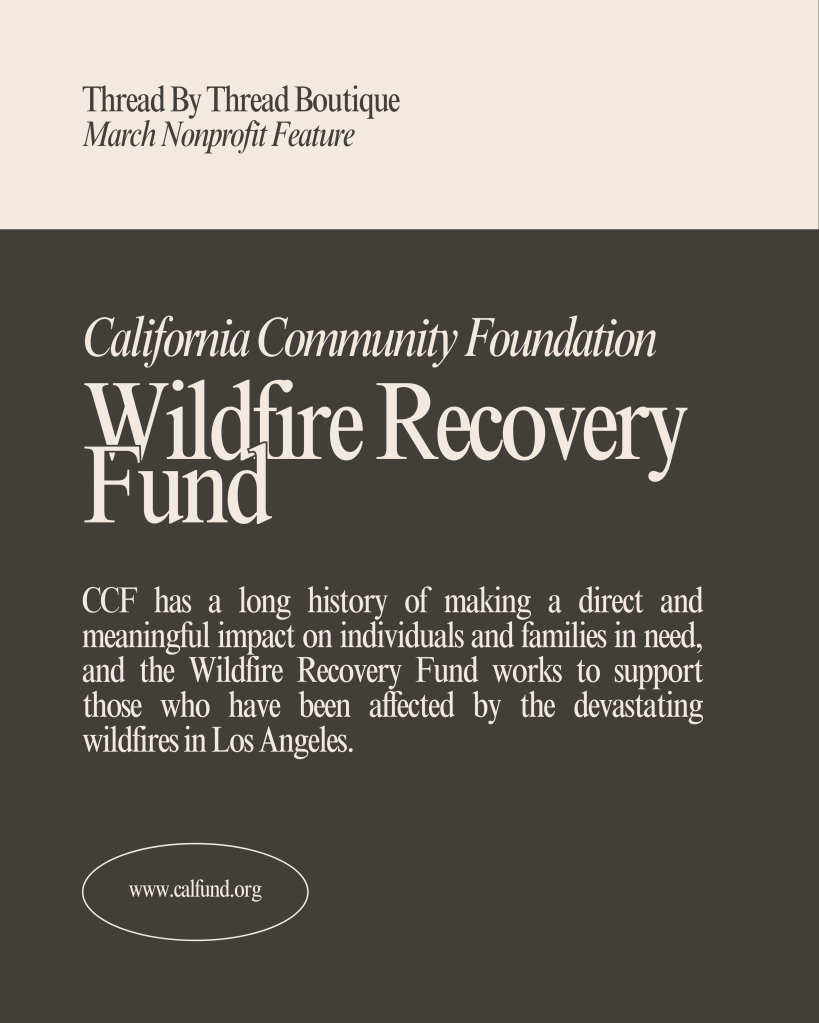
With this mission in mind, I created an ad campaign that highlights next month’s nonprofit partner. The ad features a compelling still image, inviting users to visit the TBT website to learn more and *ideally* take action by supporting the initiative.
Step 1: Defining campaign objectives
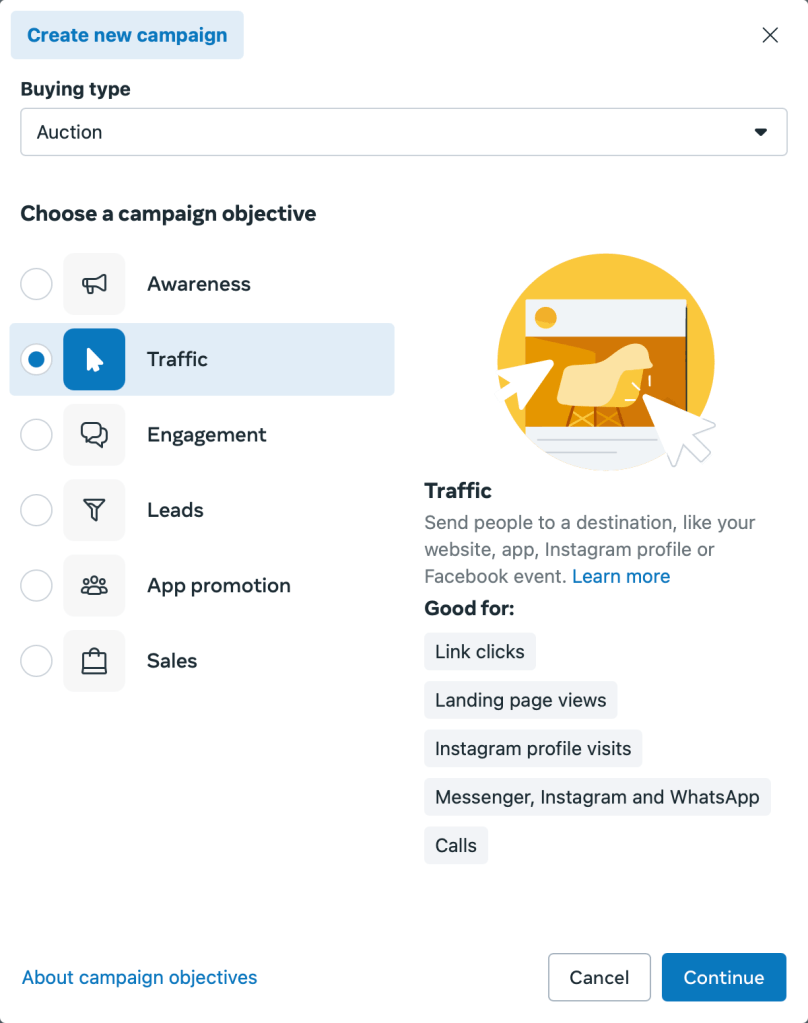
When setting up a campaign in Facebook Ad Manager, the first step is selecting an objective. Since TBT is still growing its audience, the focus isn’t immediate conversions but rather engagement and brand awareness. While the boutique may look like an ordinary retailer at first glance, its mission sets it apart, and the best way for users to discover that is by visiting the website.
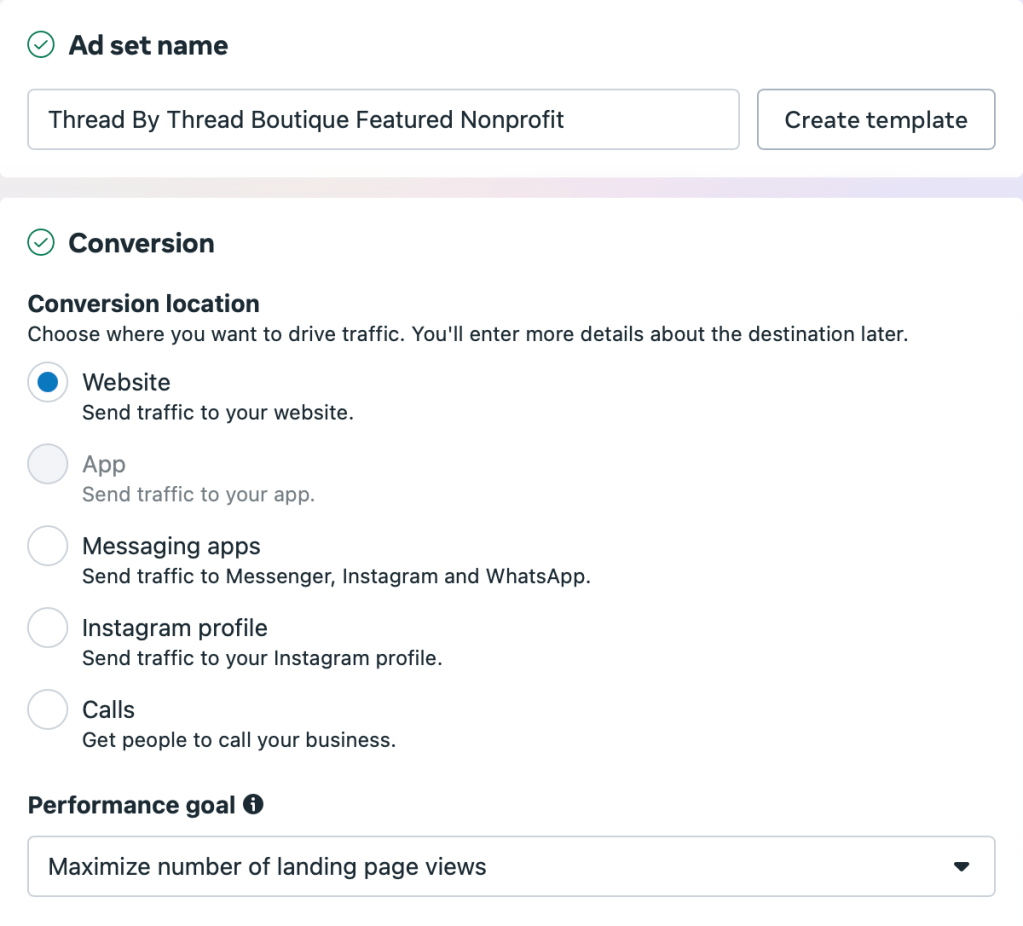
For this reason, the best objective for the campaign was traffic. Users would be encouraged to click “Learn More” on the sponsored post, directing them to the website. Tracking this activity would provide key insights – not just on how many users clicked the link, but how many followed through to the landing page.
Step 2: Selecting the right audience settings
In Paid Social Media Advertising: A Beginner’s Guide, Claire Beveridge highlights the biggest advantage of paid social media: it puts your business in front of a targeted audience rather than disappearing into the content void. She explains that “this increases the chance they’ll view, engage with, or click on your ad.” Businesses can fine-tune their audience by targeting characteristics like age, gender, location, and interests – all of which can be managed through Facebook Ad Manager.
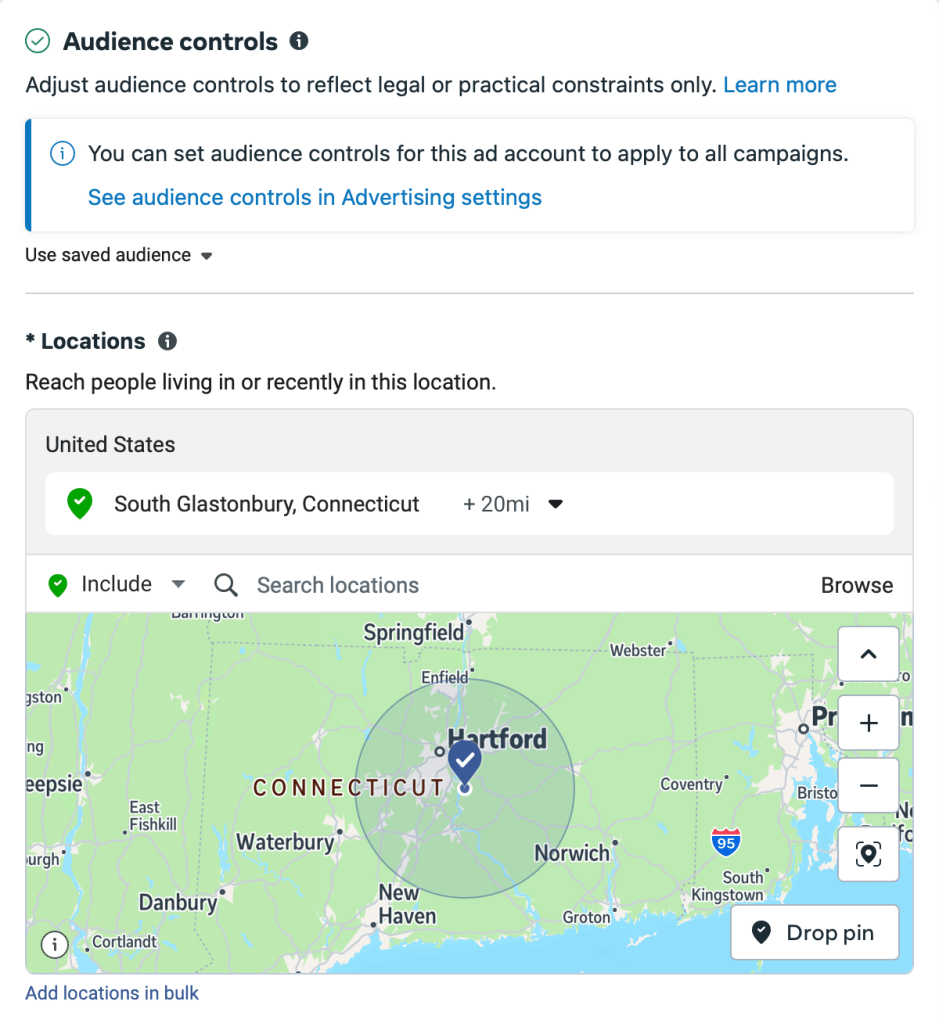
For the TBT campaign, I set the location to South Glastonbury with a 20-mile radius, ensuring the ad reached both local shoppers and those within a short drive of the boutique. Since most of TBT’s customers live in or around Glastonbury, this setting increases the likelihood that those who see the ad will visit the website and either shop online or stop by in person.
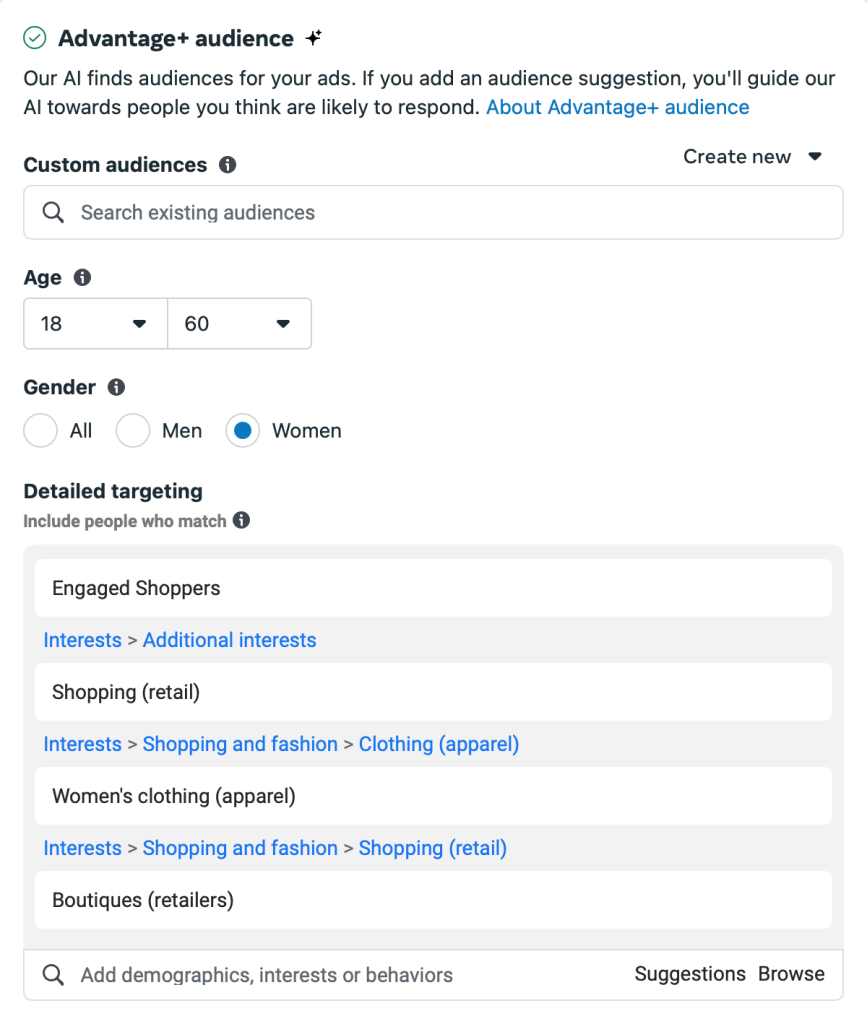
With conscious consumerism on the rise, I set the age range to 18-60 and the gender to female, aligning with TBT’s target demographic. My full audience settings were as follows:
- Location: South Glastonbury, CT (+20 mi)
- Age: 18-60
- Gender: Female
- Interests: Engaged shoppers, shopping, women’s clothing, boutiques
My goal was to include at least one targeting detail related to ethical retail, but I was disappointed to find that interest groups in this category restricted the projected reach too much.
Step 3: Choosing ad placements
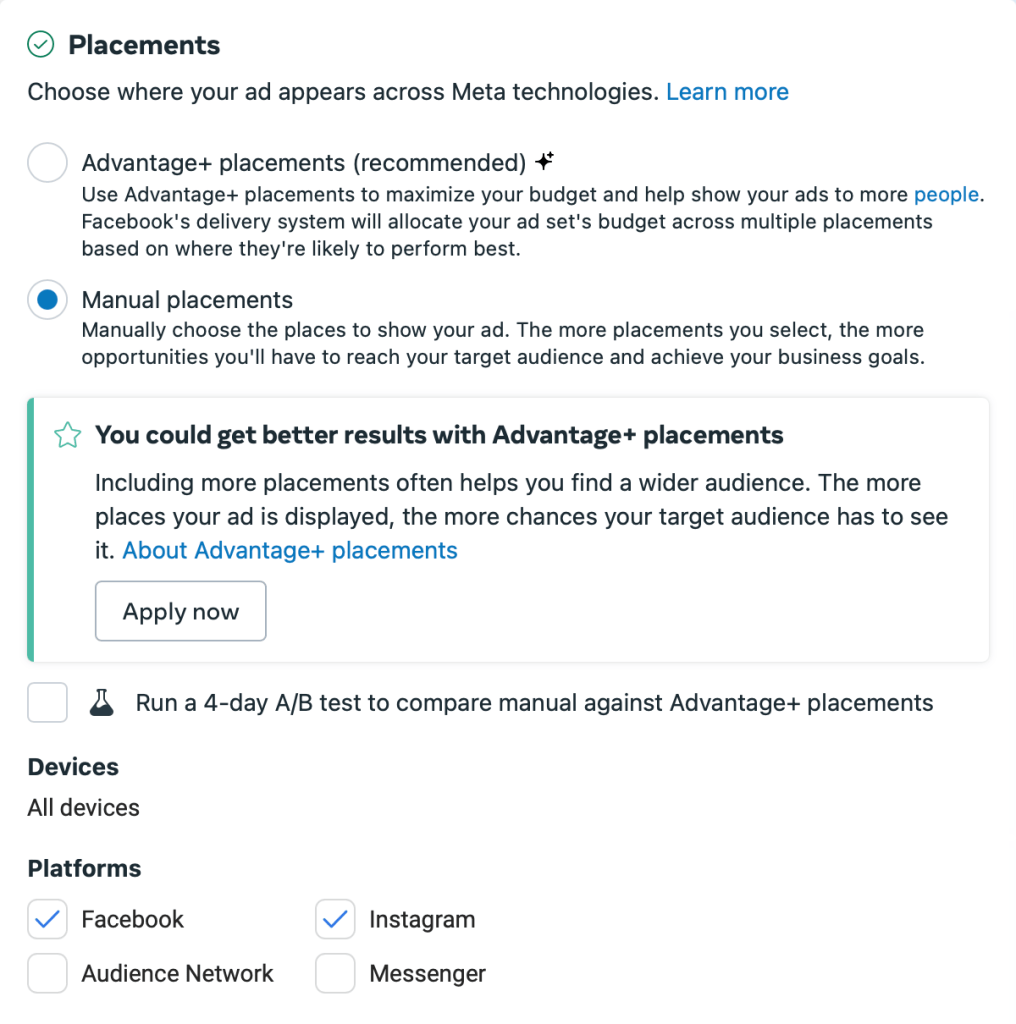
When selecting which Meta platforms to run the ad on, I chose Facebook and Instagram, as both are well-suited for high-quality image-based ads. Plus, these are the platforms where TBT is most active and engages with its audience the most.
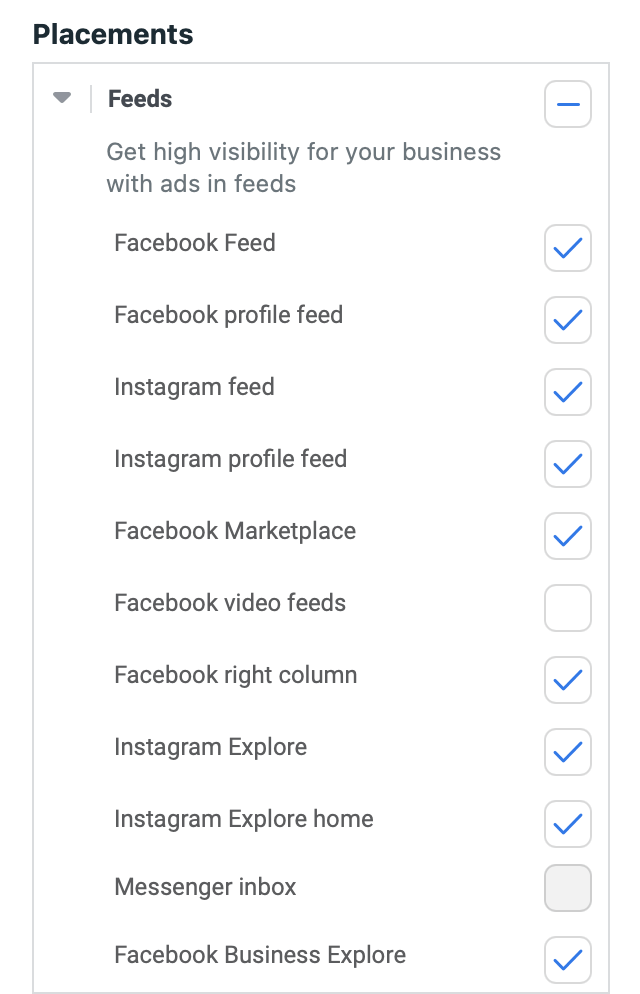
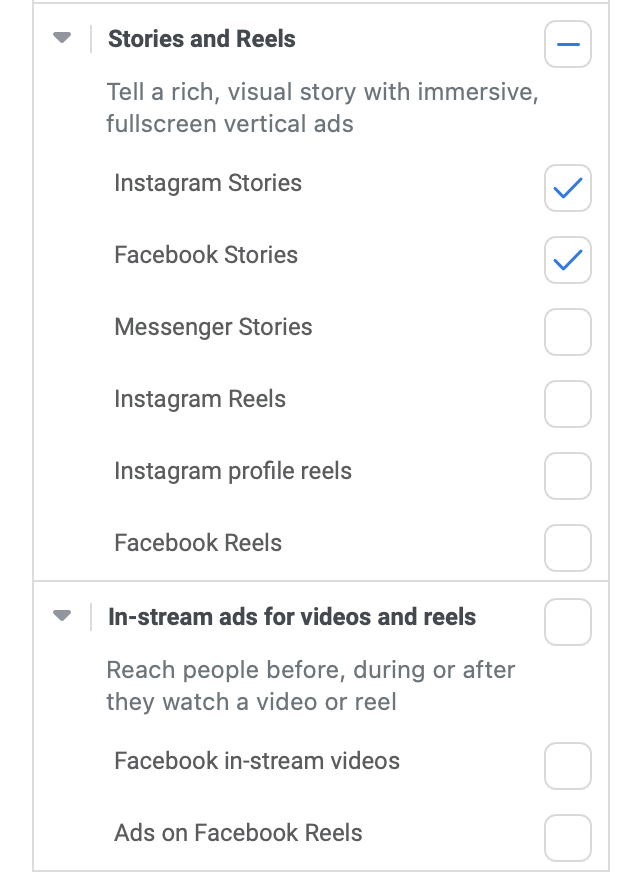
I then manually adjusted the ad placements, ensuring the content formats aligned with the still image ad. This mainly involved deselecting options for reels and videos.
Step 4: Setting a budget and defining success metrics
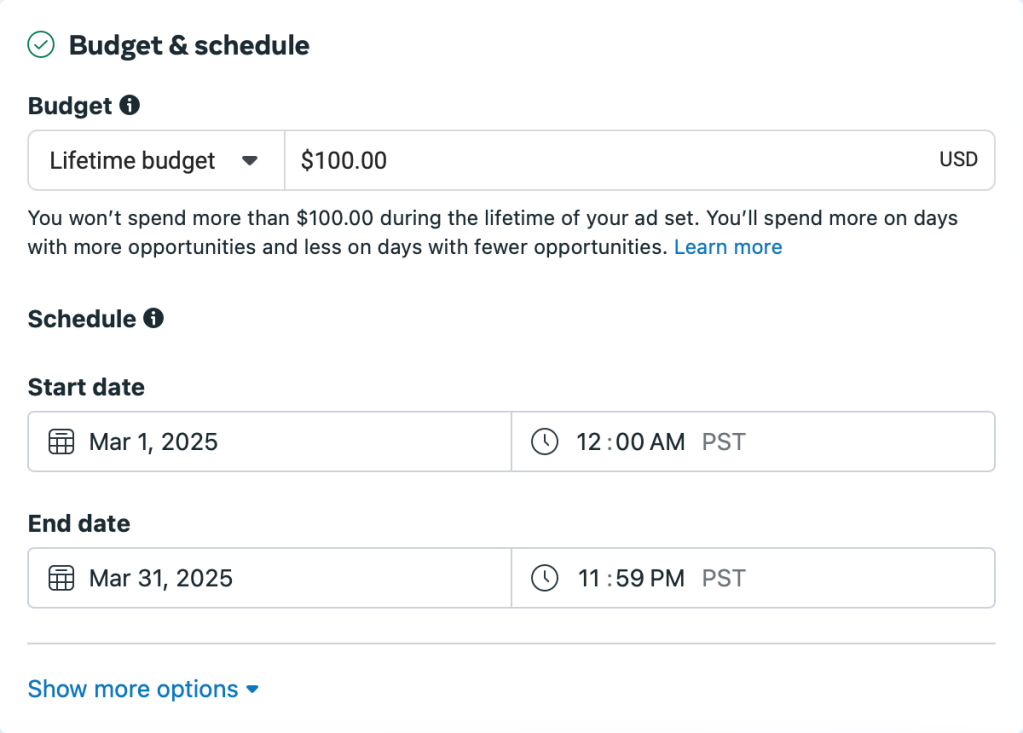
Since TBT is a small, independently owned business, ad spend needs to be both strategic and sustainable. Based on my experience managing TBT’s social media, the best approach for this campaign is a lifetime budget of $100 over the course of one month. This allows them to maintain a presence without overspending, while still gathering valuable insights on audience engagement and ad performance.
With the campaign focused on promoting TBT’s March nonprofit partner, the ad will run from March 1st to March 31st, giving it a full month to reach potential supporters and encourage action. While a $100 budget is modest, it’s enough to test audience engagement, optimize ad performance, and determine how effectively the campaign drives website traffic.
To measure success, I’ll track key Facebook Ad Manager metrics, including:
- CTR (Click-Through Rate): How well does this campaign structure and audience segmentation drive engagement?
- CPC (Cost Per Click): How efficiently is the budget being spent per engagement?
- Website Traffic: How many visitors land on the TBT page from the ad?
- Overall Engagement Rate: How does the message resonate with viewers (likes, shares, comments)?
These insights will help assess the campaign’s effectiveness and guide future ad strategies. Even with a small budget, data-driven adjustments can maximize impact – whether through increased awareness, more website visits, or stronger community support for ethical retailing efforts.
To put the package together, I designed a sample graphic that could serve as the ad posting. If it turned out that this visual didn’t perform well, I would experiment with A/B testing several visuals for the next campaign.
Final Thoughts
Choosing the right ad campaign strategy can have a lasting impact on your business. The approach I outlined for TBT is designed not only to drive website traffic and build brand awareness but also to inform and refine future ad campaigns.
Works Cited
Beveridge, C. (2024, January 29). Paid social media advertising: A beginner’s guide. Semrush. https://www.semrush.com/blog/paid-social/
Irvine, M. (2024, September 10). Facebook ad benchmarks for your industry [data]. WordStream. https://www.wordstream.com/blog/ws/2017/02/28/facebook-advertising-benchmarks
 Hana Lataille
Leave a comment